· 6 min read
NSW Maths Syllabus Changes 2026: What Year 10, Year 11 and Year 12 Students Need to Know
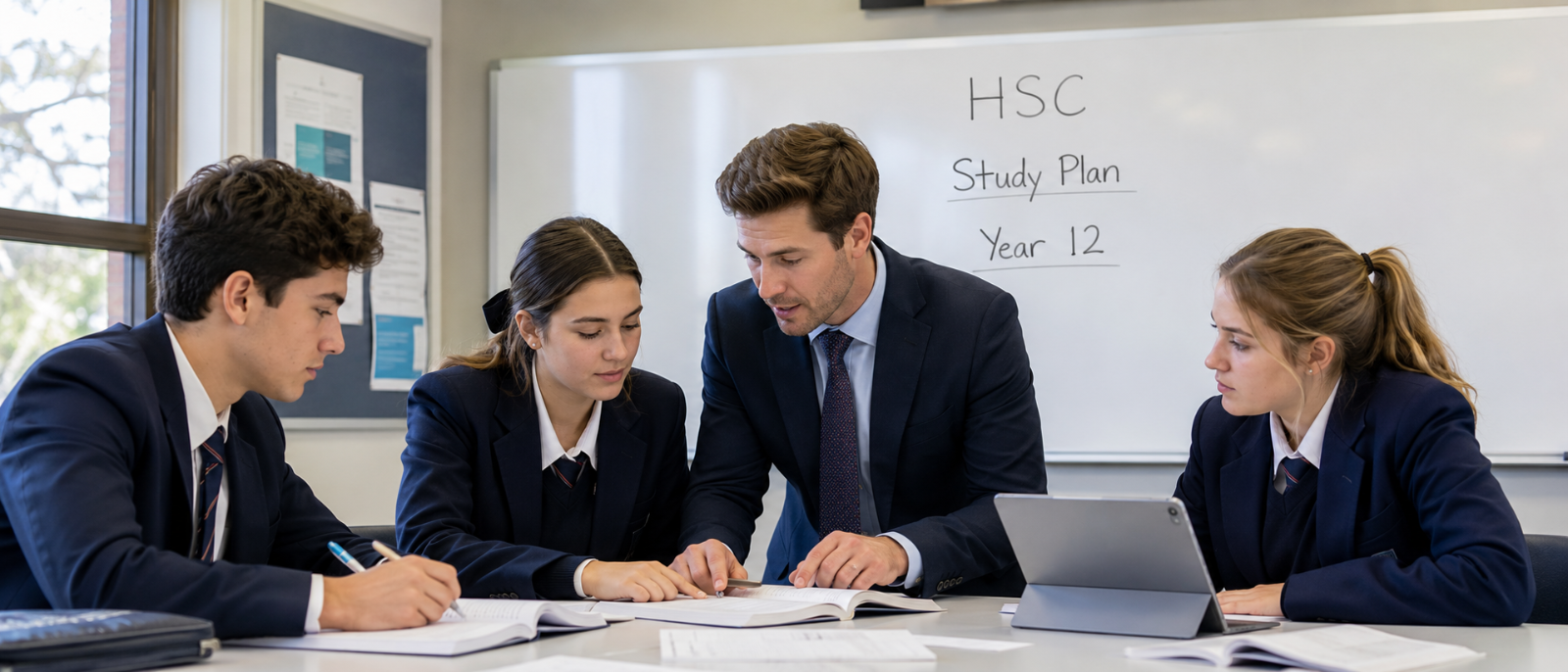
The new NSW senior mathematics syllabus commences in 2026 for Years 11 and 12, with the first HSC exams scheduled for 2027.
A Clearer Path Forward.
For 30 years, we’ve helped students prepare for the tests that can shape their next educational opportunity. Discover what we’ve learnt about effective preparation, common challenges, and how parents can confidently support their child through the journey.
· 6 min read
The new NSW senior mathematics syllabus commences in 2026 for Years 11 and 12, with the first HSC exams scheduled for 2027.
· 2 min read
Know where your child stands before making Selective School choices.
· 5 min read
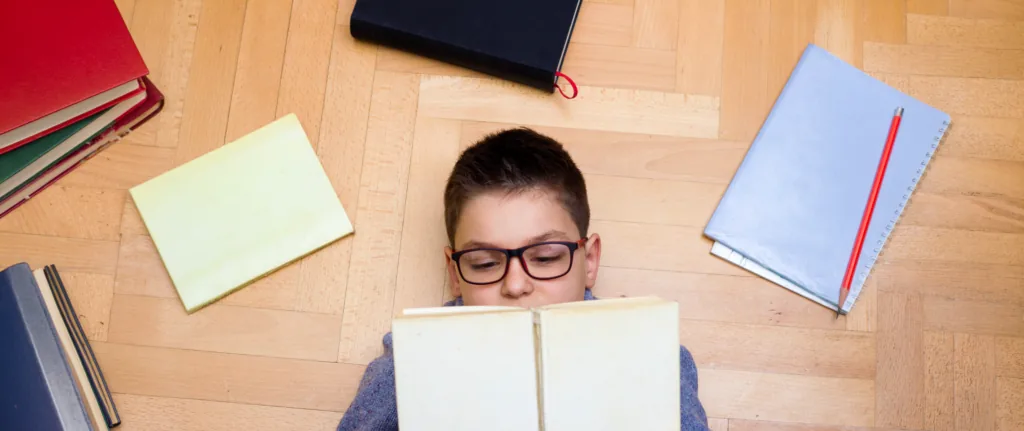
A child who reads constantly can still lose marks on comprehension. Usually the problem is not reading ability but reading behaviour — and the fix is learning to point at the evidence.
· 3 min read
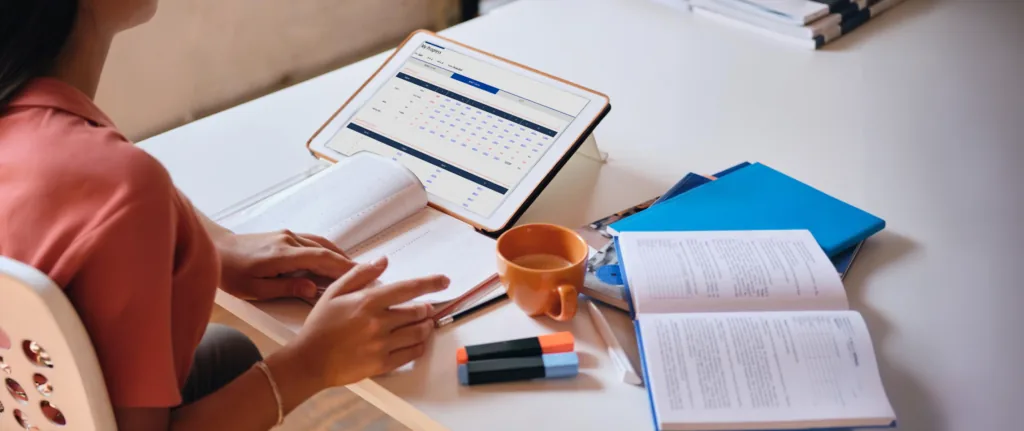
What high-achieving students do differently is not take more in — it is bring more back out. Four habits built on retrieval, spacing and starting small.
· 11 min read
How many trial tests should a child sit, and when should they start? After thirty years the honest answer is that neither question matters as much as what happens after each test.
· 11 min read
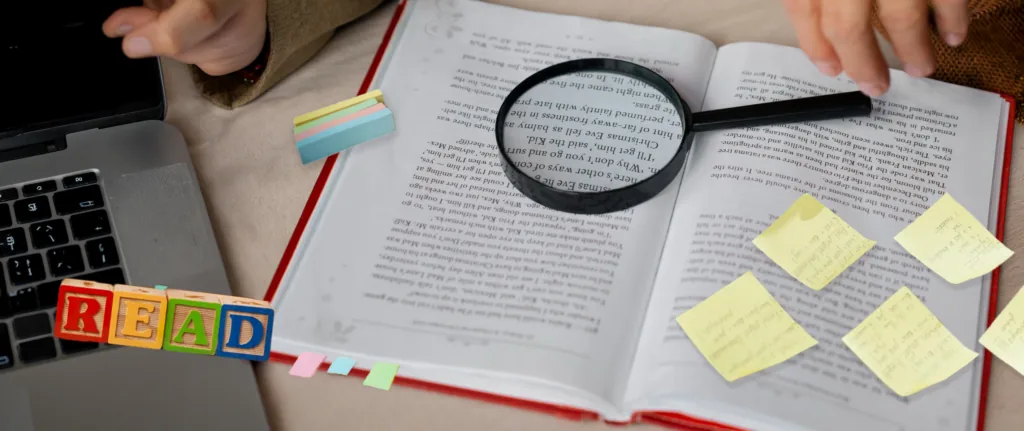
What the reading paper actually asks for, question type by question type — and the one coaching question that fixes each of the common mistakes.
· 7 min read
A raw score means nothing without the difficulty behind it. How to read a trial result calmly, and turn it into a review plan instead of an argument about which trial is closest to the real thing.
· 5 min read
Most families collect more practice material than their child ever works through. Starting today with what you already have beats gathering more of it.
· 4 min read
The power of routine — why real growth comes from consistent practice rather than from any single programme, and what that means for how we teach.
· 5 min read
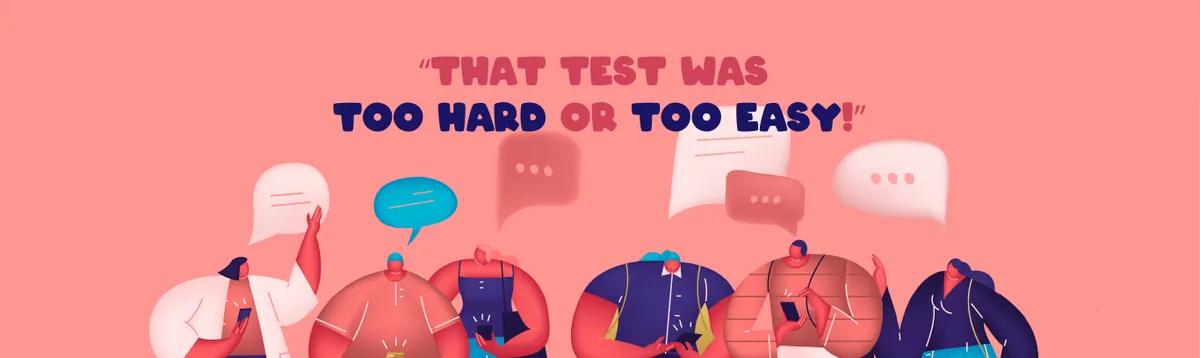
One centre’s test is called too easy, another’s too hard. Most of those judgements come from one child’s experience of one paper — here is a steadier way to look at difficulty.